Plumbing problems can affect household comfort, water consumption, and the condition of a property. From dripping taps to blocked drains and faulty toilet flushes, even relatively small faults can interrupt daily routines when they are left unresolved.
Homes and apartments may experience different issues depending on pipe condition, water pressure, fixture quality, maintenance practices, and the design of the building’s water supply system. Recognising common symptoms helps residents take appropriate action.
1. Leaking Taps and Pipe Connections
A leaking tap may result from worn seals, damaged cartridges, or loose connections. Pipe joints beneath sinks can also develop leaks because of deterioration or incorrect installation.
Start by identifying where the water is escaping. If a visible connection is dripping, place a container underneath and turn off the relevant isolation valve if safe.
Avoid overtightening fittings or applying sealant without understanding the cause. If water continues escaping, arrange an inspection to prevent damage to cabinets, flooring, and nearby walls.
2. Blocked Kitchen and Bathroom Drains
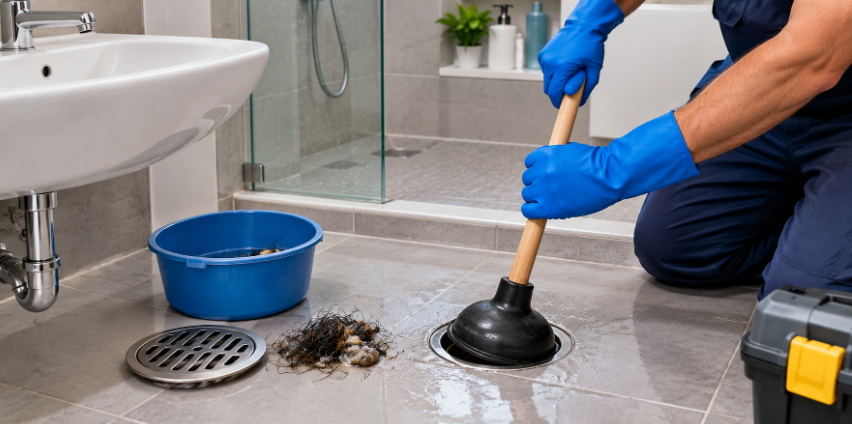
Kitchen drains often become obstructed by grease, food scraps, and soap residue. Bathroom drains commonly collect hair, soap deposits, and other debris.
A drain strainer can prevent larger particles from entering the pipe. For a minor blockage, a suitable plunger may help restore drainage.
Do not mix chemical drain cleaners or combine them with bleach and other household products. If multiple fixtures drain slowly or wastewater backs up, the obstruction may be deeper in the drainage system and require specialist equipment.
3. Low Water Pressure
Weak water flow can make everyday activities inconvenient. Possible causes include clogged aerators, partially closed valves, mineral deposits, concealed leaks, or problems with shared pumps.
Check whether the issue affects one tap or several. If only one fixture is affected, its aerator or local connection may need attention. If the entire property has low pressure, contact building management when a shared supply issue is possible.
A technician can inspect the accessible pipework and identify the likely cause before recommending a repair.
4. Toilet Flush and Cistern Problems
A toilet that does not flush properly may have a faulty handle, worn valve seal, damaged fill valve, or blocked outlet.
If the cistern does not refill, check whether the water supply is available and the relevant valve is open. If the bowl begins filling unusually high, stop flushing to avoid overflow.
Do not dispose of wipes, sanitary products, or other unsuitable materials in the toilet. Repeated blockages should be investigated rather than treated as an occasional inconvenience.
5. Hidden Water Leaks
Leaks inside walls or beneath floors can remain unnoticed until damp patches, peeling paint, or unusual odours appear.
Monitor your water consumption and inspect visible pipe connections regularly. If your individual water meter continues registering use when all fixtures and appliances are off, a leak may be present, provided no automatic water consumption is occurring.
Avoid breaking tiles or walls without first assessing the likely source. Appropriate detection methods can help narrow down the affected area and reduce unnecessary damage.
6. Water Heater and Storage Tank Issues
A water heater may leak because of a damaged connection, faulty valve, or deterioration of the unit. Storage tanks can overflow when a float valve or related control mechanism fails.
If water appears around an electrical water heater, switch off its power at the appropriate breaker only if it is safe to do so, and avoid touching wet electrical equipment. Close the water supply if possible and arrange qualified assistance.
Regular inspection of visible connections and timely replacement of deteriorated components can help reduce the risk of sudden failure.
7. How to Choose the Right Repair Service
Before booking plumbers in gurgaon, describe the symptoms clearly and ask about inspection fees, expected arrival times, labour charges, and replacement parts.
When selecting a Plumber in Gurgaon, look for relevant experience and a willingness to explain the proposed solution. Ask for an estimate before authorising non-emergency work.
For larger problems involving several fixtures or concealed pipework, a Plumber service in gurgaon should be able to explain the inspection process and identify whether additional specialist work is necessary.
Good communication helps residents understand what is being repaired and why.
8. Preventing Recurring Plumbing Problems
Routine maintenance is often less disruptive than repairing a major fault. Check taps, exposed pipes, toilet connections, and water heater fittings for visible signs of leakage.
Keep grease and solid waste out of drains, investigate unusual water pressure, and report shared supply problems to building management.
Professional Plumbing services in gurgaon can help homeowners assess recurring faults and develop a practical maintenance plan suited to their property.
Conclusion
Leaking fixtures, blocked drains, weak water pressure, toilet failures, concealed leaks, and water heater problems are common household concerns. Early diagnosis can limit water waste and reduce the likelihood of expensive repairs.
Regular inspections, safe troubleshooting, and timely professional assistance can help maintain dependable water supply and drainage. With suitable Gurgaon plumbing maintenance, homeowners can address small faults before they cause more extensive property damage.
About the Author